ROOT JOURNAL
What color sunglasses should you choose? A complete guide
Saturday, 06 June 2026
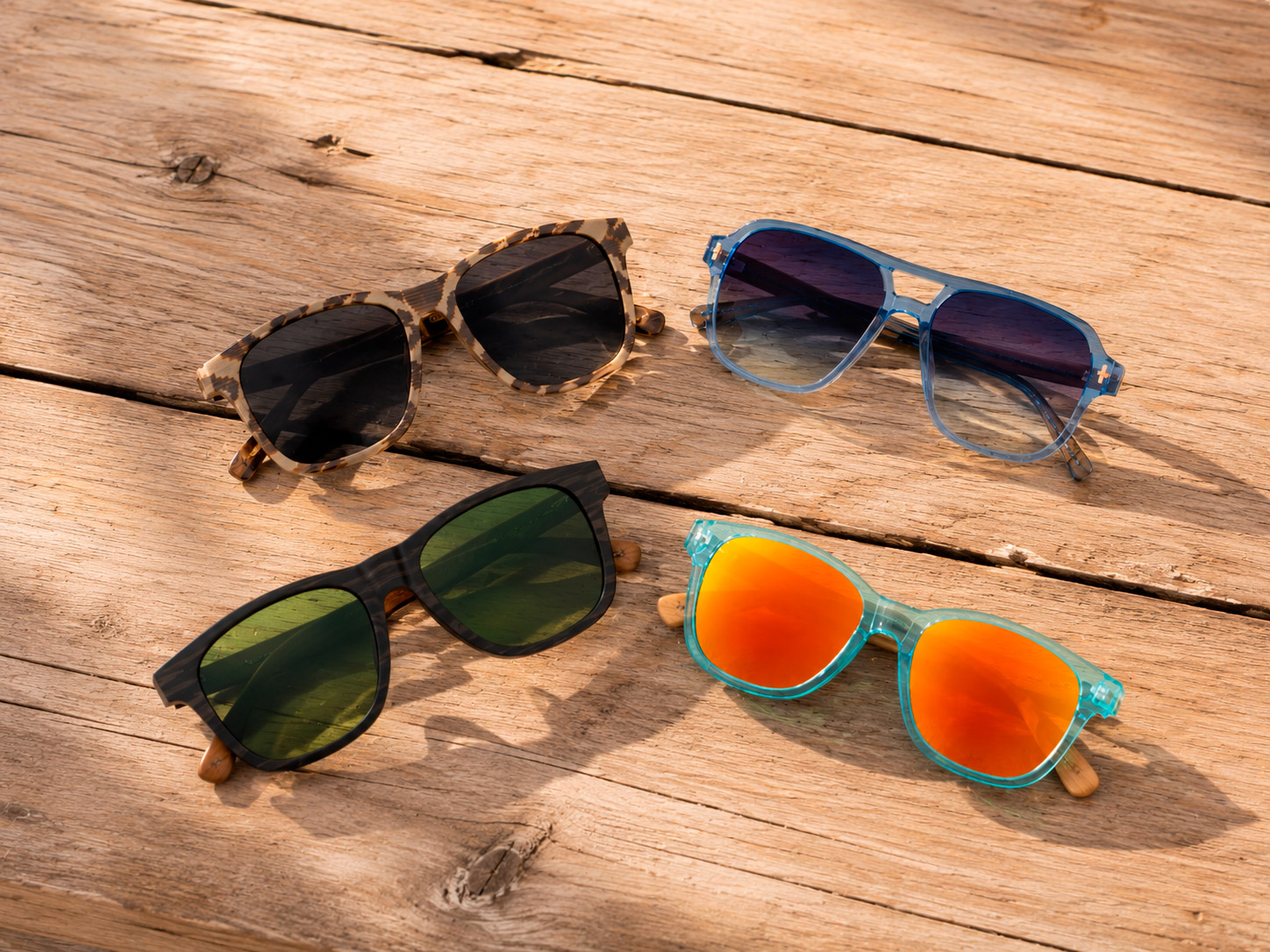
What color sunglasses should you choose? A complete guide for every situation
Why is the color of the lenses important?
Many people choose sunglasses based on the frame, but the lens color also influences the visual experience. Depending on the environment and how you intend to use them, some colors can offer a more natural perception, greater contrast, or better visual comfort.
Although all colors of UV400 protective lenses protect the eyes from ultraviolet radiation, each shade has different characteristics that should be known before choosing.
Gray lenses: the most versatile option
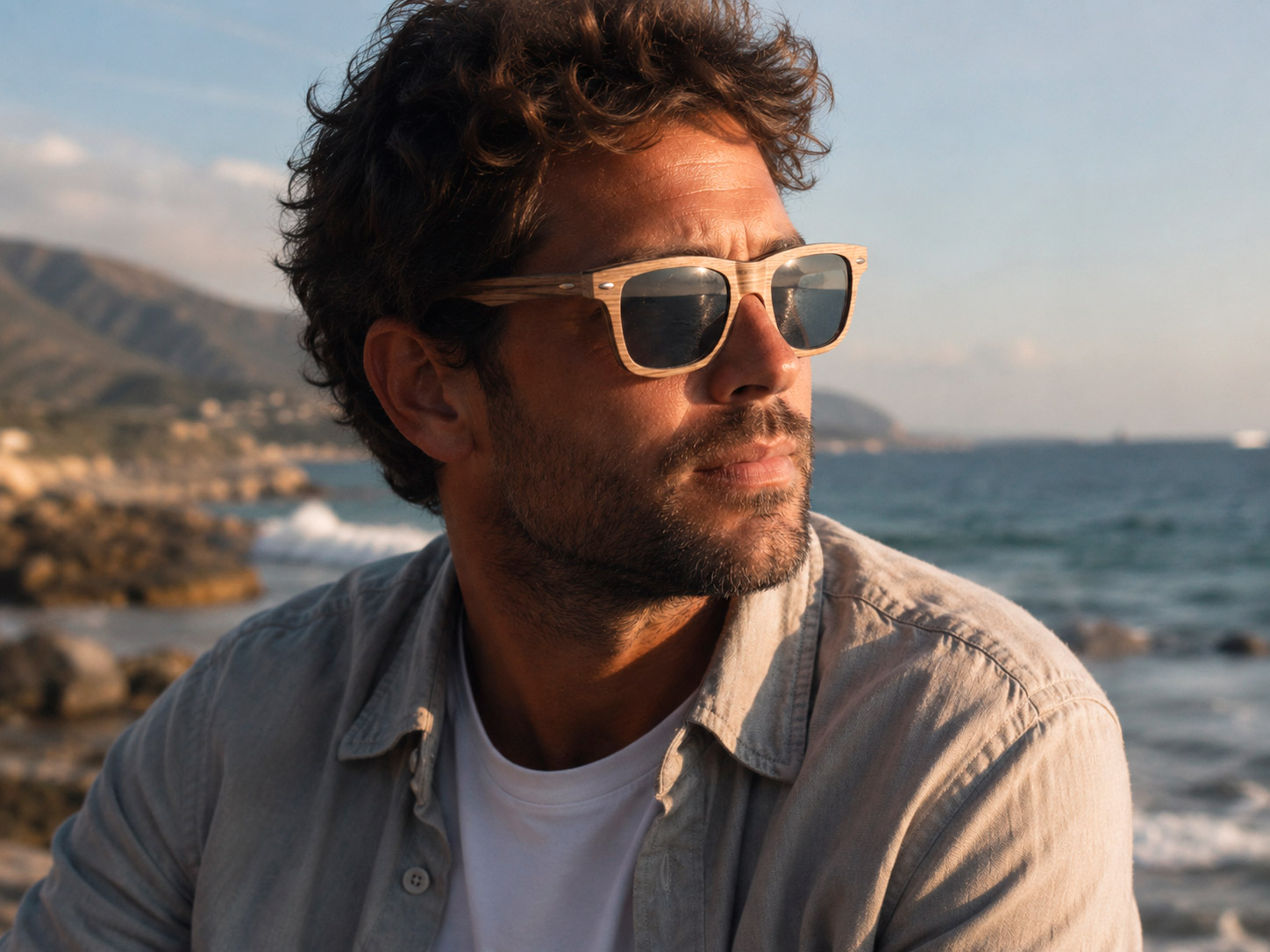
Gray lenses are the most popular and also the most balanced.
Advantages:
-
They maintain their natural colors.
-
They reduce brightness without altering visual perception.
-
They are comfortable for long periods of use.
-
Ideal for everyday use.
Recommended for:
-
Drive.
-
Take a walk around the city.
-
Playa.
-
General use.
Brown lenses: greater contrast and depth

Brown or amber lenses slightly increase contrast and improve depth perception.
Advantages:
-
They improve contrast.
-
They improve vision in varying light conditions.
-
They offer a warmer perception of the environment.
Recommended for:
-
Drive.
-
Hiking.
-
Outdoor sports.
-
Partly cloudy days.
Green lenses: a balance between contrast and naturalness

Green lenses are less common but highly valued by those seeking balanced vision.
Advantages:
-
They maintain a natural perception of colors.
-
They slightly improve the contrast.
-
They reduce eye strain.
Recommended for:
-
Daily use.
-
Outdoor activities.
-
Driving.
Blue lenses: style and visual comfort
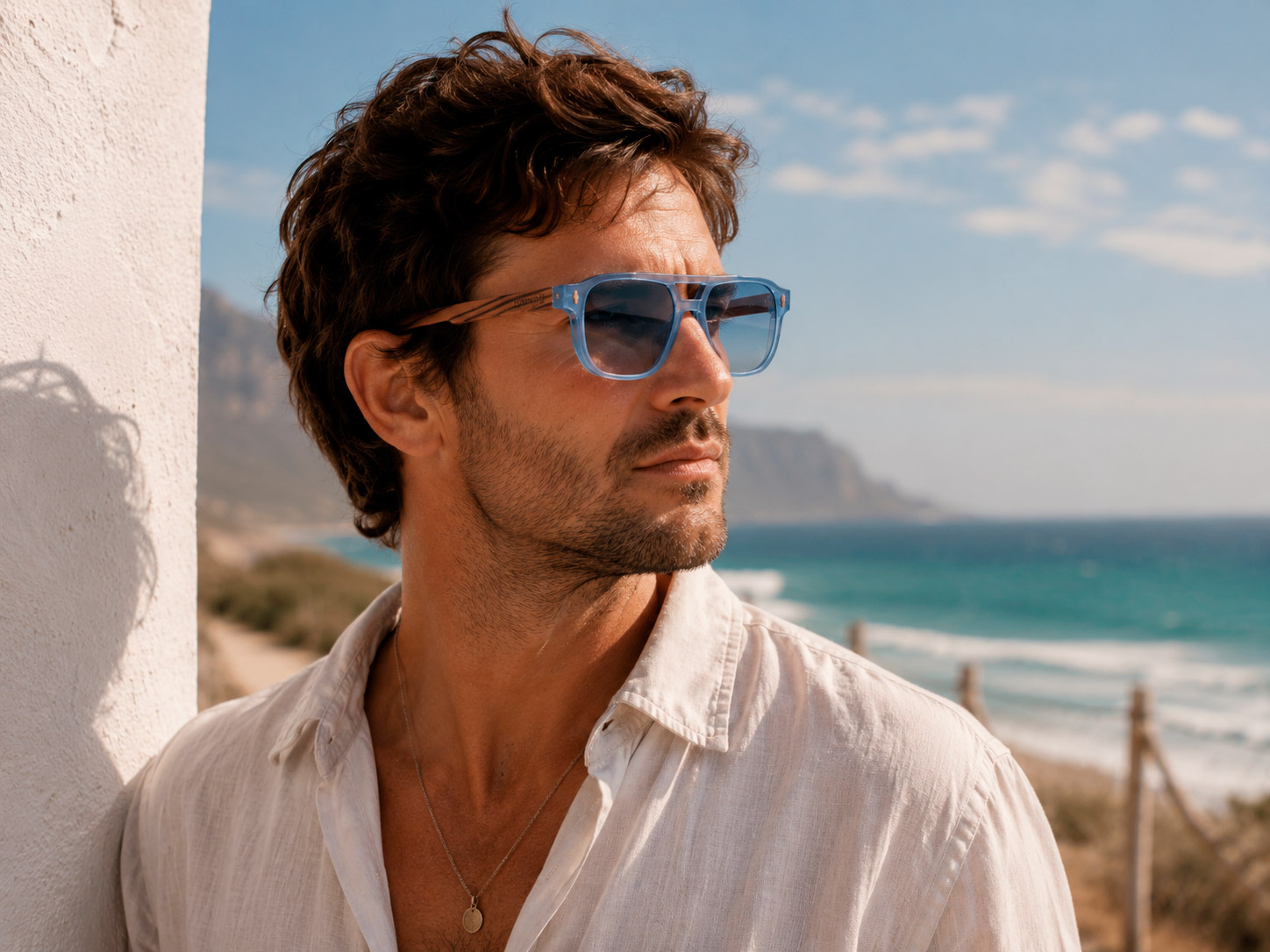
Blue lenses are very popular because of their modern look.
Advantages:
-
They reduce some of the glare.
-
They look nice in very bright environments.
-
They provide a distinctive aesthetic.
Recommended for:
-
Urban use.
-
Playa.
-
Recreational activities.
Yellow or orange lenses: for low light conditions

These lenses are designed to increase contrast when light is scarce.
Advantages:
-
They improve the perception of contrasts.
-
They increase visual clarity in dark environments.
Recommended for:
-
Sunrise and sunset.
-
Very cloudy days.
-
Some sports activities.
Gradient lenses: comfort and style in one design

Gradient lenses feature a gradual transition between a darker upper zone and a lighter lower zone. This design protects the eyes from intense sunlight while maintaining brighter vision in the lower part of the field of vision.
They are especially popular for their combination of functionality and aesthetics, as they offer a stylish and modern look without sacrificing sun protection.
Advantages:
- They reduce glare from the sun.
- They allow for a better view of nearby objects.
- They are comfortable for everyday activities.
- They bring a sophisticated and modern style.
Recommended for:
- Drive.
- Urban walks.
- Terraces and outdoor activities.
- Daily use.
Gradient lenses are available in various colors, with gray, brown, and blue being particularly common. The choice will depend on aesthetic preferences and the desired level of contrast.
In addition, gradient lenses can be combined with UV400 protection and also with polarized technology.
REVO lenses or mirror effect: maximum protection against intense light
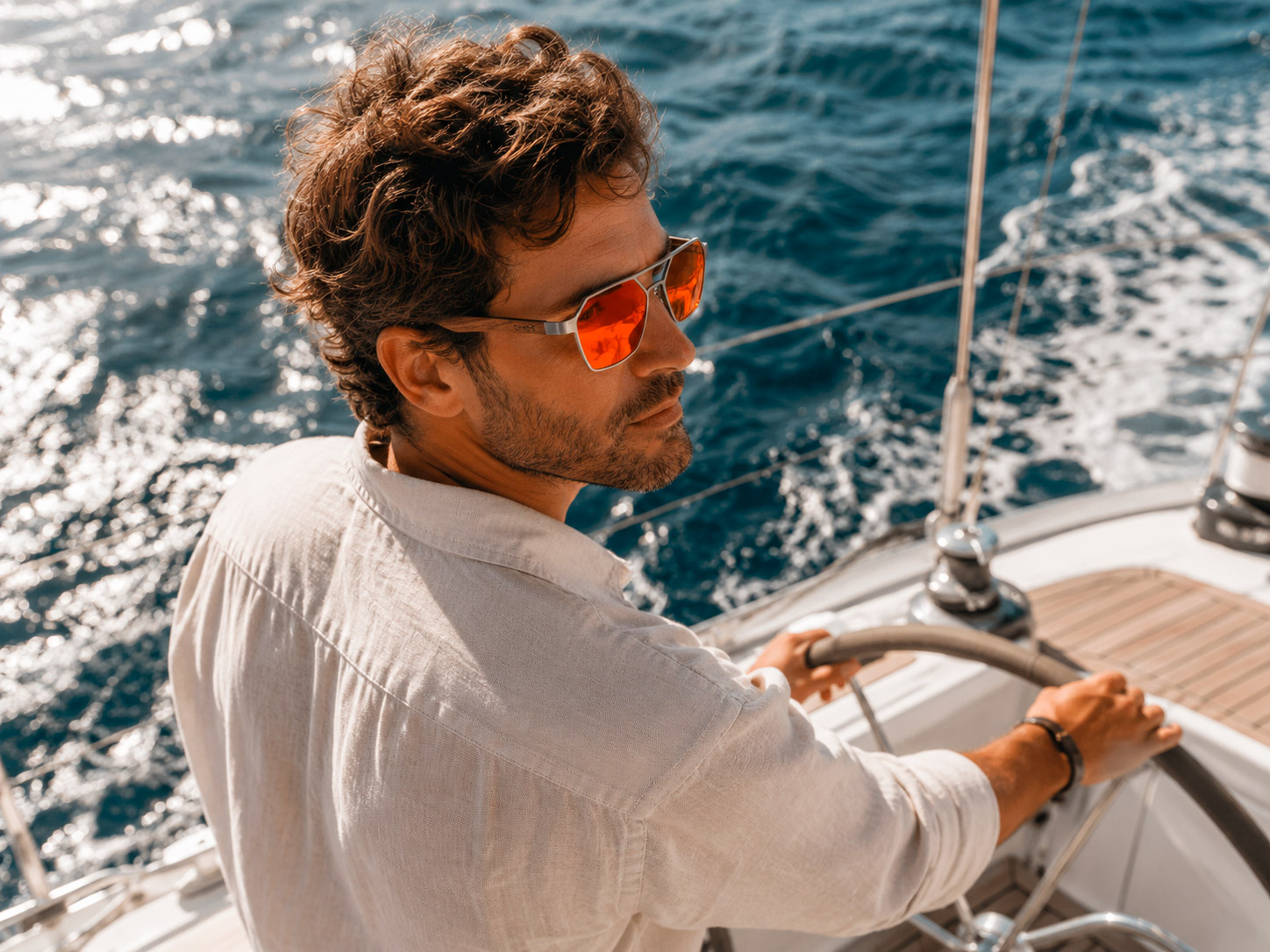
REVO lenses, also known as mirrored or mirror-effect lenses, incorporate a special coating on the outside that reflects some of the sunlight before it reaches the eye.
Its most visible feature is the reflective finish, available in colors such as blue, silver, green, red or gold.
Advantages:
-
They reduce the amount of light that passes through the lens.
-
They help reduce glare in very bright environments.
-
They are especially comfortable on beaches, at sea, in the snow or in the high mountains.
-
They provide a modern and sporty aesthetic.
Recommended for:
-
Water sports.
-
Navigation.
-
Playa.
-
Mountain.
-
High light conditions.
It's important to note that the exterior mirror color doesn't necessarily determine how you see through the lens. For example, a lens with a blue mirror coating might have a gray or brown interior, which is what actually influences color perception and contrast.
In addition, REVO lenses can be combined with polarized technology, thus offering even greater protection against reflections and glare.
What if the lenses are also polarized?
Polarization is independent of lens color.
A polarized lens reduces reflections from surfaces such as:
-
Water.
-
Asphalt.
-
Snow.
-
Crystals.
That's why it's often one of the most valued features for driving, sailing, practicing water sports, or simply enjoying a more comfortable view.
Which lens color should I choose?
If you're looking for a simple recommendation:
-
Daily use: gray.
-
Driving: gray or brown.
-
Beach: polarized grey or polarized REVO.
-
Navigation: Polarized REVO.
-
Mountain: brown or REVO.
-
Water sports: REVO polarized.
-
Cloudy days: yellow or amber.
Conclusion
There's no single perfect lens color for everyone. The best choice will depend on how you'll use your glasses and your personal preferences. The most important thing is to make sure the lenses offer UV400 protection, and if you're looking for a superior visual experience, opt for polarized lenses.
At Root Sunglasses we are committed to UV400 polarized lenses that combine protection, visual comfort and design to accompany you on any adventure.

Discover more from Root
Autumn sunglasses, the Root way
Discover wooden sunglasses and watches for autumn: warm tones, natural design and three Root styles made for days outdoors.
Read the story →
How to Choose Wooden Sunglasses According to Your Style
Discover how to choose wooden sunglasses that match your personal style. Natural, creative, elegant or bold designs with the Mediterranean ess...
Read the story →
Meaningful gifts: wood, design and something different
Discover unique gift ideas for her: sustainable wooden sunglasses and watches with natural design and unique personality.
Read the story →